产品分类导航
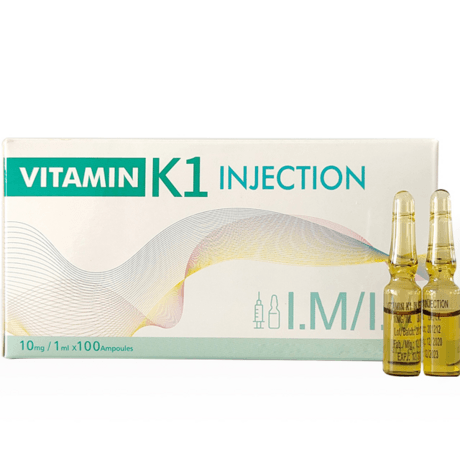
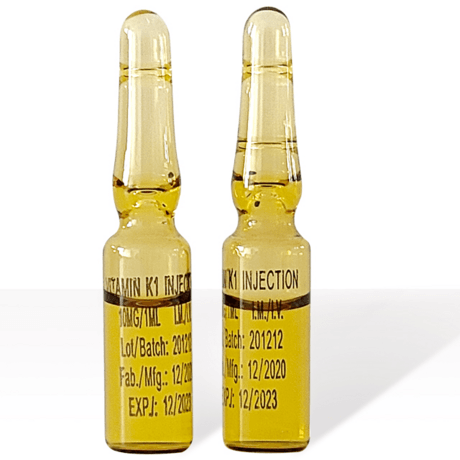
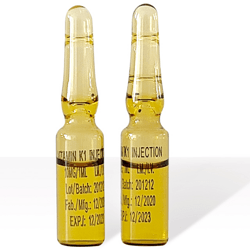
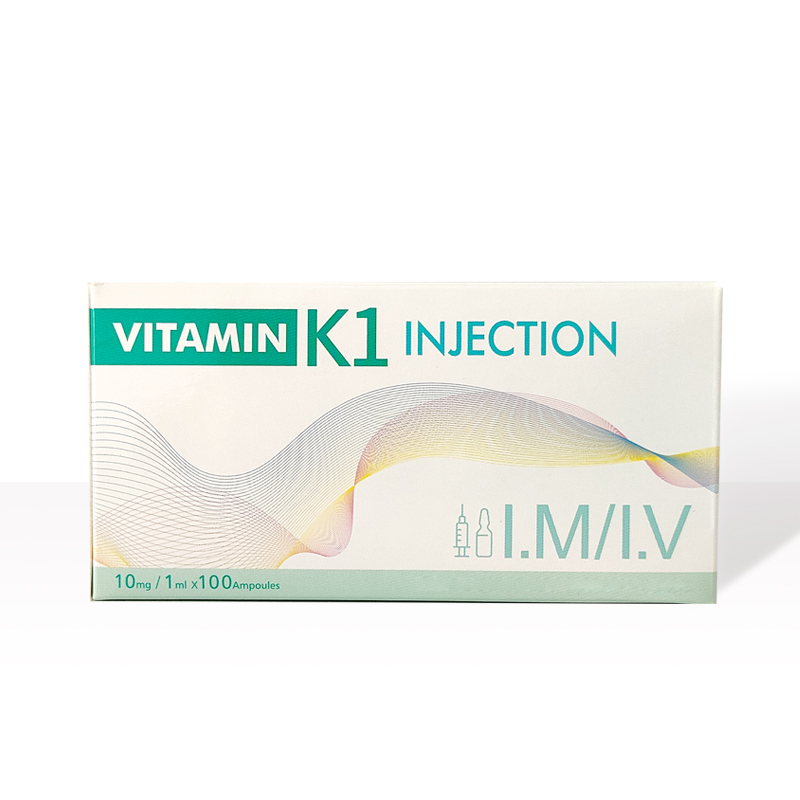
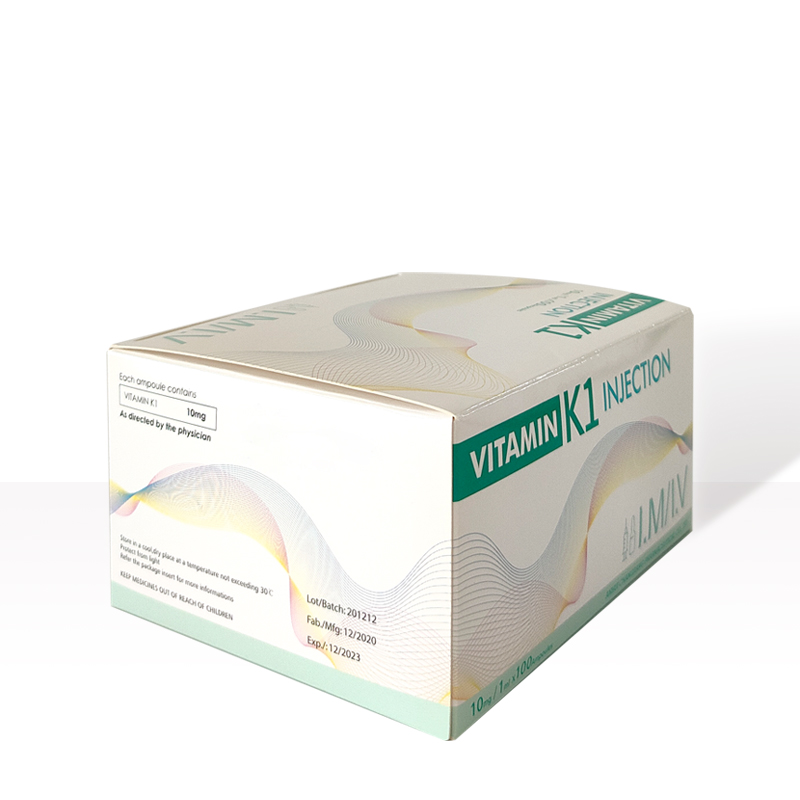
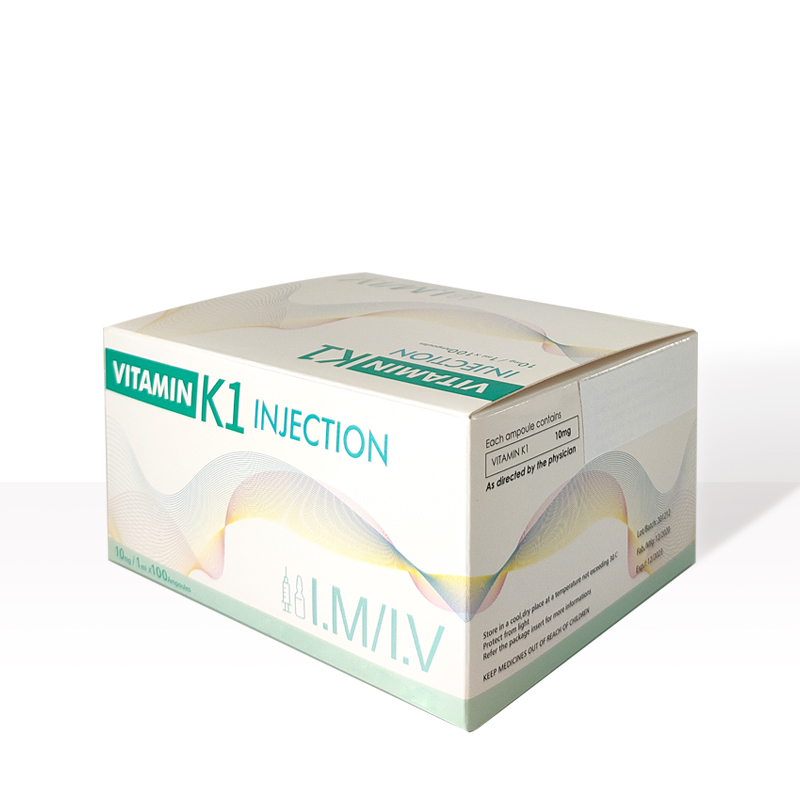
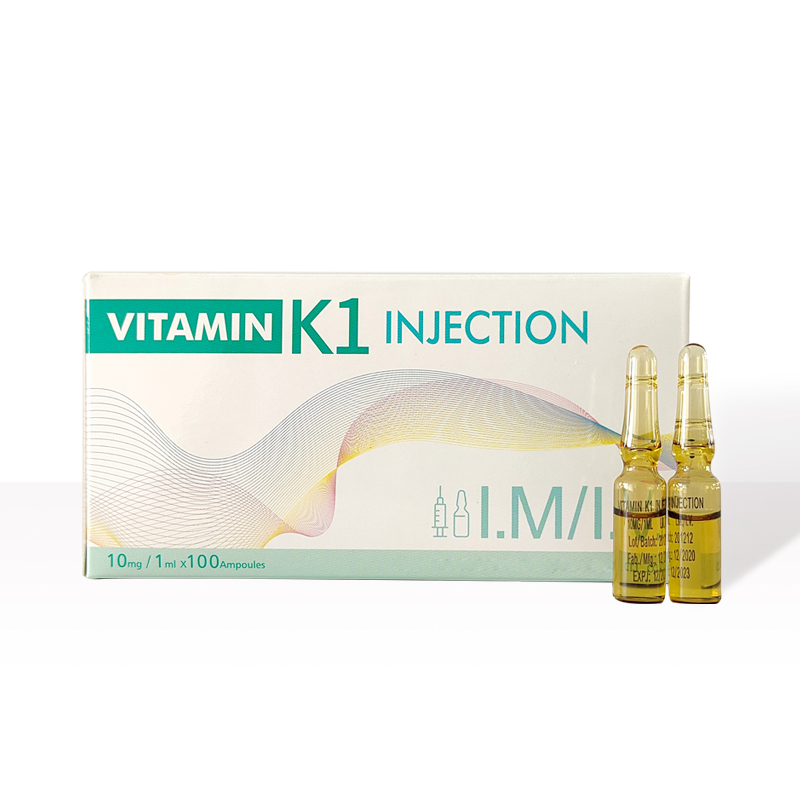
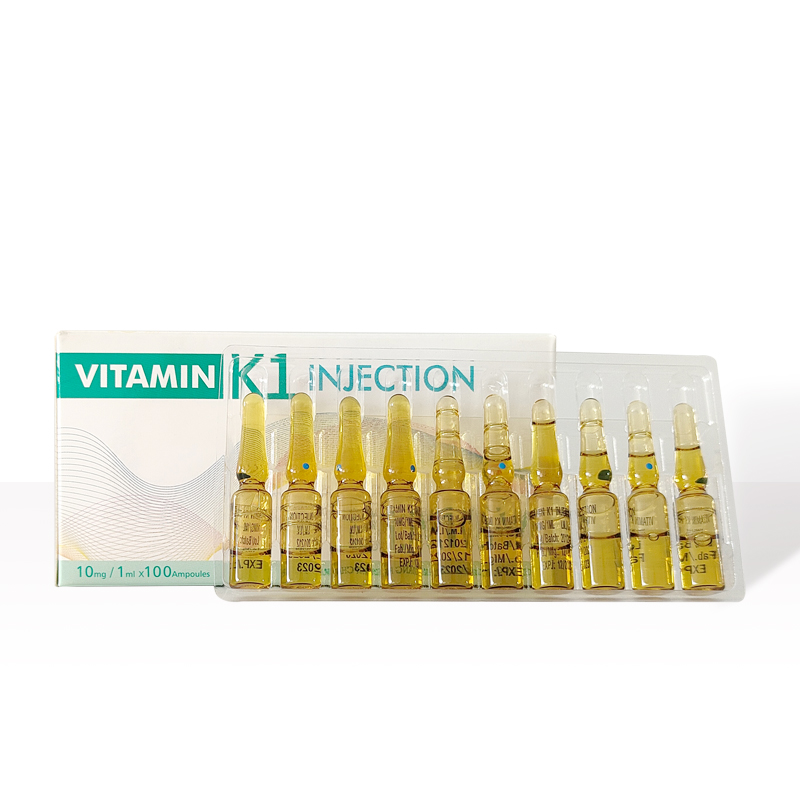
Vitamin K1 Injection : Essential for Blood Clotting and Bone Health
放大查看
Vitamin K1 Injection : Essential for Blood Clotting and Bone Health

Vitamin K1 Injection : Essential for Blood Clotting and Bone Health

更新时间:2025-06-18

价格:
地区: 上海市
是否提供样品:
立即询盘
收藏

产品详情

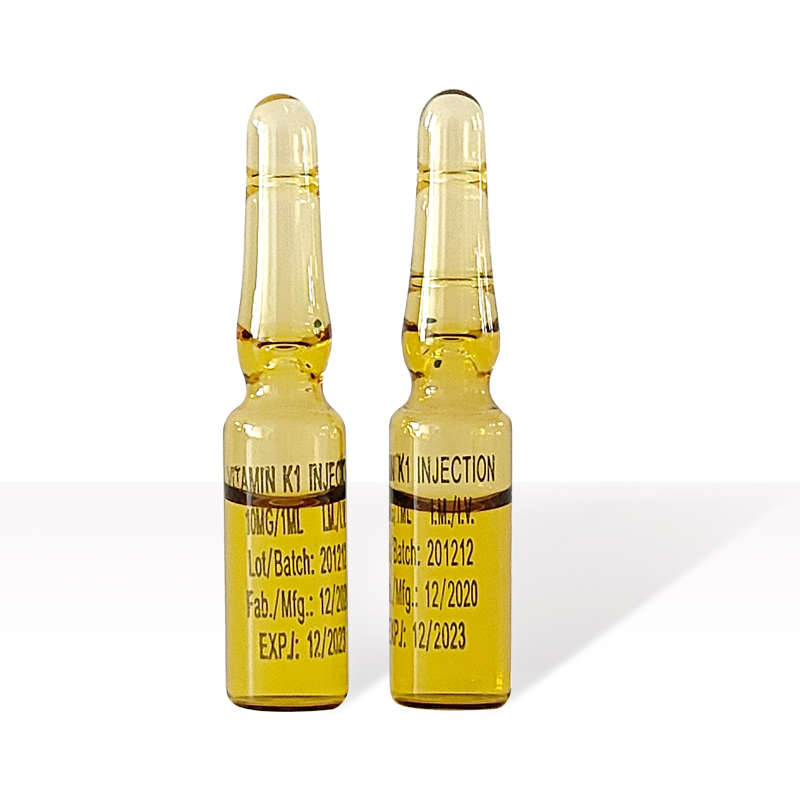
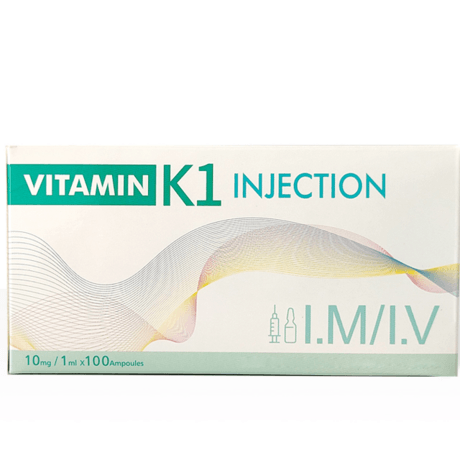
产品名称: Vitamin K1 Injection : Essential for Blood Clotting and Bone Health
产品分类: 维生素、矿物质与氨基酸类制剂
产品关键词: Vitamin K1 Injection,Blood Coagulation Support,Bone Health,Hemostasis Aid,Cardiovascular Health
是否为生产商:
产品包装规格: 10mg/ml 100 Ampoules/Box
最低订购量: 500
主要销售市场: 中国,北美洲,中/南美洲,西欧,东欧,大洋洲,亚洲,中东,非洲
是否提供样品:

产品描述:


Mechanism of Action

Vitamin K1 (Phytonadione) promotes the hepatic synthesis of clotting factors II, VII, IX, and X, which are essential for blood coagulation. It acts as a cofactor for a microsomal enzyme that catalyzes the post-translational carboxylation of specific glutamic acid residues in inactive hepatic precursors of these clotting factors, converting them into active coagulation factors.

Uses

Vitamin K1 injection is used to:

  • Prevent and treat hemorrhagic disease of the newborn: A single intramuscular dose of 0.5 to 1 mg is recommended within one hour of birth.
  • Treat anticoagulant-induced prothrombin deficiency: Initial doses range from 2.5 to 10 mg, and up to 25 mg or more may be required in rare cases.
  • Manage other causes of hypoprothrombinemia: Including those due to antibiotics, salicylates, or other drugs, with doses ranging from 2.5 to 25 mg.

Dosage and Administration

  • Route of Administration: Preferably subcutaneous or intramuscular. Intravenous administration should be slow, not exceeding 1 mg per minute.
  • Dilution: Can be diluted with preservative-free 0.9% Sodium Chloride Injection, 5% Dextrose Injection, or 5% Dextrose and Sodium Chloride Injection.
  • Newborns:Prophylaxis: 0.5 to 1 mg IM within one hour of birth.Treatment: 1 mg SC or IM, with higher doses if the mother was on oral anticoagulants.
  • Adults:Anticoagulant-induced deficiency: Initial dose of 2.5 to 10 mg, up to 25 mg or more in rare cases.Other causes: 2.5 to 25 mg, depending on the severity.

Storage

Vitamin K1 injection should be stored at temperatures below 25°C, protected from light.
公司简介

上海浦津林州制药有限公司,始建于1974年,其前身是林州市市属工业企业--安阳市化学制药厂, 2015年9月更名为“上海浦津林州制药有限公司” 公司位于风景秀丽的太行山东麓,举世闻名的人工天河——红旗渠畔,交通便利,通讯发达。公司占地面积5.5万m2,建筑面积1.9万m2,其中仓储面积3000 m2;厂区绿化面积16000 m2,硬化面积8000 m2。现有职工300余人,固定资产总值6418万元,主导产品主要有葡萄糖酸钙、硫酸镁、维生素C、肌苷等35个注射液品种,在市场上深受广大客户青睐,市场前景广阔。公司为了进一步扩大生产规模,提升产品档次,提高市场占有率,先后投资3.6亿余元,进行技术改造,现在拥有12条符合国家GMP标准的小容量注射剂全自动生产线,并于2014年5月通过国家食品药品监督管理局GMP认证;新建车间年设计生产能力12亿支,可实现产值3亿多元,利税5000余万元。 近年来,公司创新意识不断增强,始终把“技术创新,科技兴厂”作为公司发展的宗旨,企业发展空间大、前景广阔,愿各界同仁、有识之士携手并进,共谋美好未来。

该公司其他产品

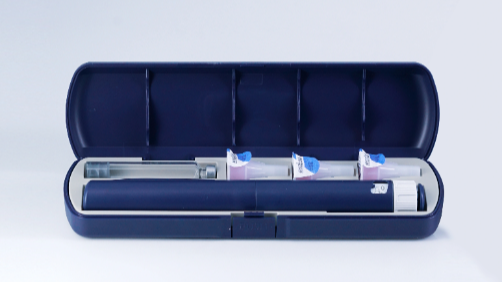
Insulin Pen: Precision and Convenience for Diabetes Management
Mechanism of ActionInsulin pens are designed to deliver insulin directly into the subcutaneous tissue. They combine the insulin cartridge and a syringe into a single, portable device. The pen allows for precise dosing and administration, ensuring that the exact amount of insulin is delivered each time. This mechanism helps in better glucose control by providing accurate and consistent insulin doses.BenefitsConvenience: Insulin pens are compact, portable, and easy to use, making them ideal for on-the-go insulin administration.Accuracy: They offer precise dosage adjustments, reducing the risk of dosing errors compared to traditional syringes and vials.Discreetness: The design allows for discreet use in public settings.Reduced Pain: Insulin pens typically use fine needles, resulting in less pain and discomfort during injections.Improved Compliance: The ease of use and accuracy can enhance patient adherence to their insulin regimen.Usage InstructionsPreparation: Wash your hands thoroughly. Attach a new pen needle to the insulin pen.Priming: Prime the pen by dialing a small dose and expelling it into the air until a droplet forms at the needle tip. This step ensures there are no air bubbles in the pen.Dose Selection: Dial the prescribed insulin dose using the pen’s dose selector.Injection: Pinch the skin at the injection site (commonly the abdomen or thigh) and insert the needle at a 90-degree angle. Press the plunger fully to administer the insulin.Post-Injection: Remove the needle and dispose of it safely. Recap the pen for storage.StorageUnopened Pens: Store insulin pens in the refrigerator at 2°C to 8°C (36°F to 46°F) until they are ready to be used.Opened Pens: Once started, pens can be stored at room temperature (not exceeding 30°C/86°F) for up to 28 days.Protection from Temperature Extremes: Avoid exposing the pen to extreme temperatures, as this can damage the insulin.
Artemether: Potent Antimalarial for Malaria Management
Mechanism of ActionArtemether is a derivative of artemisinin, a natural compound derived from the plant Artemisia annua. It exerts its antimalarial effects primarily through the following mechanisms:Generation of Free Radicals: Artemether contains an endoperoxide bridge that is cleaved in the presence of heme (a byproduct of hemoglobin digestion by the malaria parasite). This process generates highly reactive free radicals, which damage the parasite's cell membranes and disrupt its essential cellular functions.Inhibition of Parasite Enzymes: Artemether inhibits an essential calcium ATPase (PfATP6) in the malaria parasite, leading to intracellular calcium accumulation and subsequent cell death.Disruption of Hemoglobin Detoxification: Artemether interferes with the parasite's ability to detoxify heme, which is produced during hemoglobin digestion. This leads to the accumulation of toxic substances within the parasite, ultimately causing its death.Inhibition of Nucleic Acid and Protein Synthesis: Artemether and its active metabolite, dihydroartemisinin, inhibit the synthesis of nucleic acids and proteins in the malaria parasite, further contributing to its antimalarial activity.ApplicationsArtemether is primarily used for the treatment of malaria caused by Plasmodium falciparum, including:Uncomplicated Malaria: Artemether is effective against uncomplicated malaria infections, particularly in regions where chloroquine resistance is prevalent.Severe Malaria: Although artemether can be used for severe malaria, intramuscular artemether is less reliable than other artemisinin derivatives like artesunate due to its poor water solubility and variable absorption.Multidrug-Resistant Malaria: Artemether is often used in combination with other antimalarial drugs (e.g., lumefantrine) to treat malaria that is resistant to multiple drugs.Dosage and AdministrationAdults:Oral/Intramuscular: 80 mg twice daily on the first day, followed by 80 mg once daily for the next 4 days. The maximum total dose is 480 mg over 5 days.Children:Intramuscular: 3.2 mg/kg body weight on the first day, followed by 1.6 mg/kg once daily for the next 4 days. The maximum total dose is 9.6 mg/kg over 5 days.Combination Therapy: When used in combination with lumefantrine, the dosing schedule may vary depending on the specific formulation and patient weight.Example for Artemether-Lumefantrine Combination:Children (5-15 kg): 1 tablet at diagnosis, 1 tablet after 8 hours, then 1 tablet twice daily for the next 2 days.Children (15-25 kg): 2 tablets at diagnosis, 2 tablets after 8 hours, then 2 tablets twice daily for the next 2 days.Adults and Children (≥35 kg): 4 tablets at diagnosis, 4 tablets after 8 hours, then 4 tablets twice daily for the next 2 days.StorageConditions: Artemether should be stored in a cool, dry place, protected from light and moisture. It is typically stable at room temperature (15-30°C) but should be kept out of reach of children.Expiration: Always check the expiration date on the product packaging. Do not use expired medication.
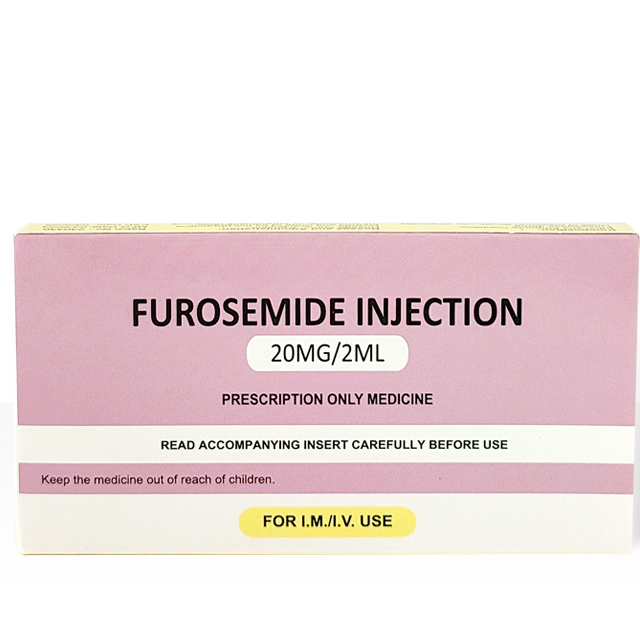
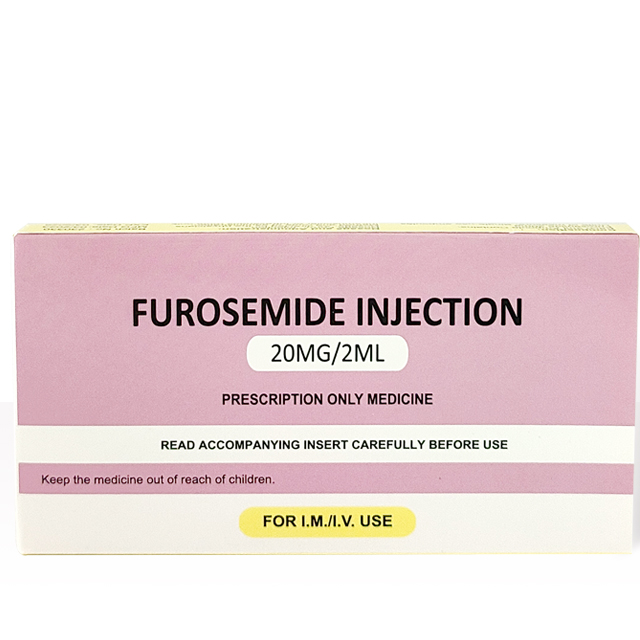
Furosemide : Effective Loop Diuretic for Heart Failure and Hypertension
Mechanism of ActionFurosemide is a potent loop diuretic that primarily works by inhibiting the Na+/K+/2Cl⁻ co-transporter (NKCC2) in the thick ascending limb of the loop of Henle in the kidneys. By blocking this transporter, furosemide reduces the reabsorption of sodium, potassium, and chloride ions. This leads to an increase in the osmolarity of the tubular fluid, resulting in greater water retention in the renal tubules and ultimately increased urine output. Additionally, furosemide can increase the synthesis of prostaglandin E2 (PGE2), which helps to dilate renal blood vessels, enhance renal blood flow, and increase glomerular filtration rate.ApplicationsEdema Management: Furosemide is used to treat edema associated with various conditions such as heart failure, cirrhosis (e.g., ascites), and nephrotic syndrome.Hypertension Management: It reduces blood pressure by decreasing blood volume through diuresis.Acute Pulmonary Edema: Furosemide can rapidly alleviate symptoms of acute pulmonary edema.Hyperkalemia: It helps lower serum potassium levels by promoting potassium excretion.Dosage and AdministrationOral Administration:Adults: The initial dose is typically 20–80 mg once or twice daily.Children: The dose is usually calculated based on body weight, at 1–2 mg/kg once or twice daily.Onset of Action: Oral administration typically results in diuresis within 30–60 minutes, with peak effects occurring within 1–2 hours.Duration of Action: The diuretic effect lasts for approximately 6–8 hours.Intravenous (IV) Administration:Adults: The initial dose is usually 20–40 mg, which may be repeated if necessary.Children: The dose is 1–2 mg/kg, which may be repeated if necessary.Onset of Action: IV administration results in diuresis within 5 minutes, with peak effects occurring within 30 minutes.Duration of Action: The diuretic effect lasts for approximately 2 hours.Precautions: When using furosemide, it is essential to closely monitor electrolyte levels to avoid electrolyte disturbances caused by excessive diuresis.StorageStorage Conditions: Furosemide tablets should be stored in a dry, cool place, protected from high temperatures and direct sunlight.Expiration Date: Always refer to the expiration date on the product packaging. Do not use expired medication.Child Safety: Ensure that the medication is stored out of reach of children.
上海浦津林州制药有限公司
注册资本
联系人
查看联系方式
快速询盘
询盘主题
请输入询盘主题
询盘信息
请输入询盘信息
快速发送询盘
× 大图预览
2006-2026 上海博华国际展览有限公司版权所有(保留一切权利) 沪ICP备05034851号-57